How to grade jadeite (type, water, color)? Where to buy and authenticate in Taiwan?
Jadeite is evaluated comprehensively based on type, water, color, craftsmanship, and clarity; grade differences greatly affect value and require high expertise. This site lists neutral information on jade, jadeite, and jade dealers by region; it is recommended to obtain certificates from reputable institutions and seek third-party authentication. This page does not constitute investment advice.
Type, water, color, craftsmanship: the four aspects of jadeite evaluation
Jadeite value is often assessed from four aspects: type (texture fineness and crystal density, e.g., glass type, ice type, glutinous type), water (transparency and depth), color (vivid, intense, even green is preferred; also lavender, yellow jade, etc.), and craftsmanship (carving and design). These four aspects interact; equal weight items can vary greatly in price, hence high recognition threshold.
Type A, Type B, Type C: differences between natural and treated jadeite
Type A is natural jadeite, only treated with waxing that does not alter structure; Type B is acid-washed and polymer-impregnated to increase transparency; Type C is artificially dyed; Type B+C is both impregnated and dyed. Types B and C have damaged structures and degrade over time, with low market acceptance. Collectors should rely on Type A accompanied by certificates from reputable institutions (e.g., GIA or local Taiwanese gem labs).
Differences between jadeite (hard jade) and nephrite (soft jade)
Jadeite (hard jade) is mainly mined in Myanmar, with hardness about 6.5–7 and rich colors; nephrite (soft jade) is mainly from China, Russia, etc., with hardness about 6–6.5 and known for its warm, oily luster. The two have different mineral compositions, authentication methods, and market segments; confirm which type before purchasing.
FAQ
How to authenticate jadeite?
Generally assessed through type, water, color, craftsmanship, and certificates; the differences between Type A, B, and C are significant; third-party authentication is recommended.
Is a certificate necessary when buying jadeite?
It is recommended to obtain a certificate from a reputable institution to confirm natural (Type A) status and whether treatment has been applied; high-value items should especially retain certificates and receipts.
Can jadeite be sold or consigned?
Some jade dealers offer buyback or consignment services; transactions are influenced by type, water, color, craftsmanship, and certification; it is advisable to compare quotes from multiple sources.
Differences between glass type, ice type, and glutinous type?
These are common grades based on 'type' (texture fineness) and 'water' (transparency): glass type has extremely fine texture and is transparent like glass, with high market acceptance; ice type is next, transparent like ice with slight haziness; glutinous type is more opaque, like thick rice soup. Higher type and water generally indicate higher value, but must be assessed together with color and craftsmanship. This page provides neutral information, not investment advice.
Jadeite jade(8)
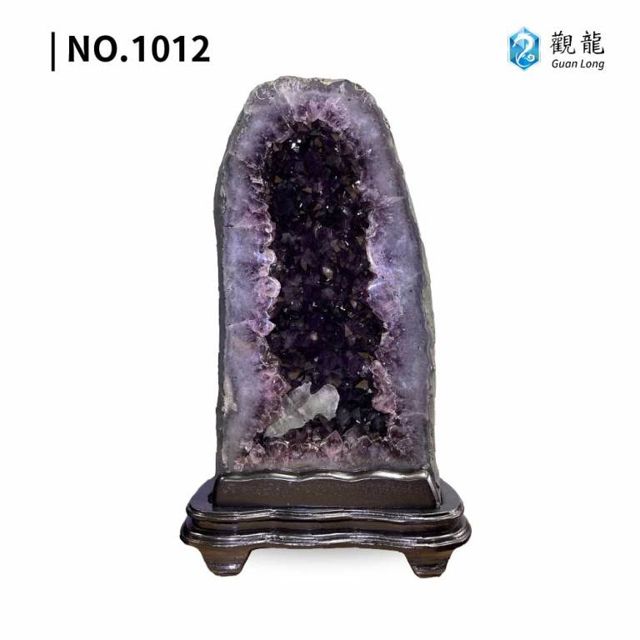
觀龍國際水晶礦石批發商-桃園水晶洞 鈦晶 各式品項/頂級手串 專賣店批發/零售 (桃園八德) 巴西烏拉圭產地直營店 天然紫水晶洞 水晶手鍊 水晶功效 淨化消磁 推薦水晶批發 鈦晶手排
334桃園市八德區大發里和平路1101-3號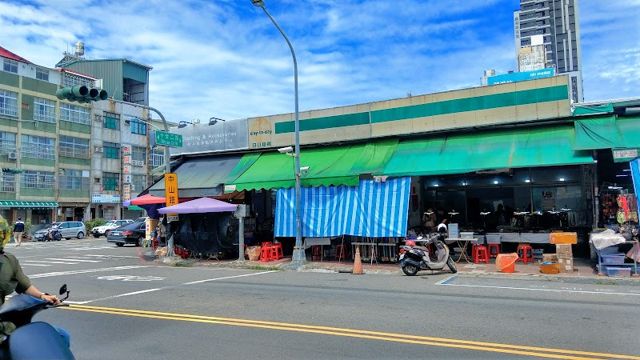
十全玉市
807高雄市三民區十美里自立一路369號
鍾華玉品藝術工坊
973花蓮縣吉安鄉福興村中央路一段647號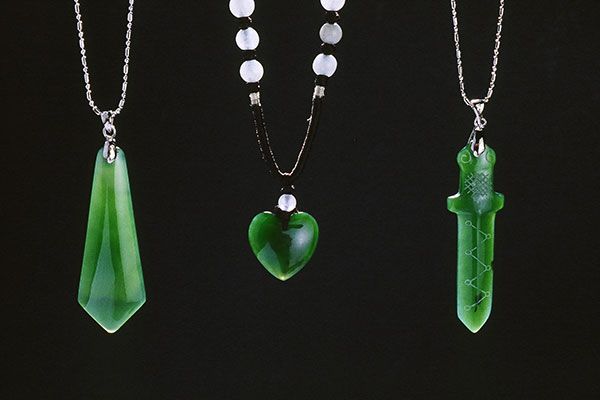
花蓮 如豐琢玉工坊(如豐休閒農場 自行DIY
974花蓮縣壽豐鄉豐山村中山路405號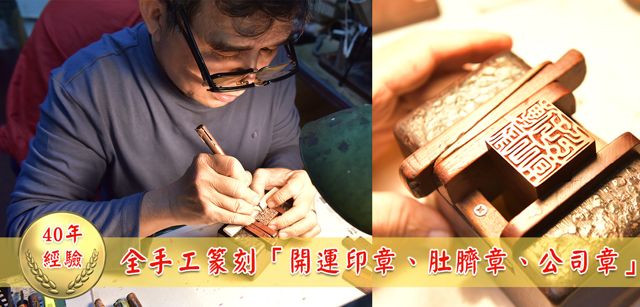
傳家手工印章 傳家抓周收涎剃頭 東方翡翠寶石
710臺南市永康區中華路669號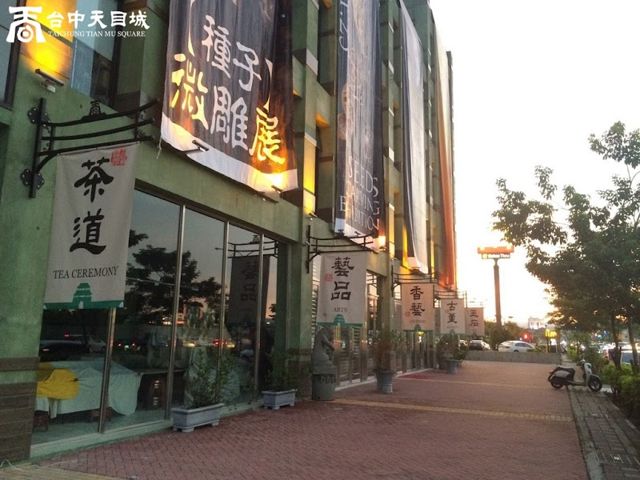
台中文心玉市-天目城
408臺中市南屯區三厝里五權西路二段957號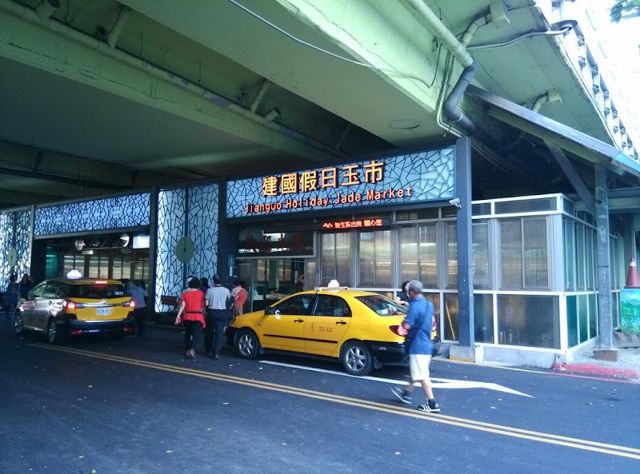
建國假日玉市
106臺北市大安區建國高架道路