How to authenticate antiques? Where to sell in Taiwan?
Antique authentication requires high expertise, generally based on four aspects: age (form, decoration, scientific testing if needed), craftsmanship (handiwork and materials consistent with the period), material (body, glaze, wood type matching the era), and provenance (ownership records, collection catalogs, and receipts). No single factor is conclusive; cross-reference is necessary. Risk of forgeries is high; for valuable items, seek third-party institutional or expert authentication and request provenance documents. This site lists neutral information about antique stores and buying services by region. This page is not investment advice.
What to look for in antique authentication: age, craftsmanship, material, provenance
Judging antique authenticity and value generally involves four aspects: ① Age—estimated through form, decorative style, craftsmanship, and scientific testing (e.g., thermoluminescence) if needed; ② Craftsmanship—handiwork marks, body repair, and materials consistent with the period; ③ Material—body, glaze, metal, or wood matching the era; ④ Provenance—records of ownership, collection, and receipts. No single point is conclusive; cross-reference is necessary. Unclear provenance or contradictions between craftsmanship and age are red flags.
Reproduction vs. forgery: differences and prevention
A reproduction is a modern copy made in the style of an antique, without age value, unlike a deliberate forgery. To reduce the risk of buying a forgery: request provenance information and written guarantees from the seller, prioritize stores with physical locations and business registration (checkable via the Ministry of Economic Affairs), for high-value items, seek third-party institutional or expert authentication before trade, and inspect goods in person, retaining payment and communication records.
Common antique categories in Taiwan and export regulations
Common categories in the Taiwanese market include Qing dynasty porcelain, early Taiwanese household items (e.g., red lacquered beds, Fuzhou beds), Japanese colonial period artifacts, indigenous objects, and Chinese calligraphy and scholar's items. Authentication focuses vary by category. Note: The Cultural Heritage Preservation Act restricts the export of certain culturally valuable artifacts. Before taking items out of the country, consult the Bureau of Cultural Heritage of the Ministry of Culture to determine if a permit is required, to avoid legal issues.
FAQ
How to avoid buying forgeries?
Request provenance information and written guarantees, prioritize stores with physical locations and business registration, seek third-party institutional authentication when necessary, and inspect goods in person, retaining records.
What is the difference between an antique and a reproduction?
An antique typically refers to an authentic item of a certain age, often over 100 years. A reproduction is a modern copy made in the style of an antique, without age value. The difference greatly affects collection value; always confirm whether an item is genuine or a reproduction before purchasing.
Is scientific testing like thermoluminescence reliable?
Scientific testing (e.g., thermoluminescence dating for ceramics) can help estimate age range, but it has sampling limitations and error margins, and cannot cover all materials. In practice, it is used alongside traditional authentication of form, craftsmanship, and provenance. A single test result should not be considered conclusive.
Does antique authentication cost money?
Some shops offer free preliminary appraisals, but formal authentication or certification may involve a fee. It is advisable to ask about the scope and cost in advance.
Can I get an online valuation?
Online photos can only provide a preliminary reference; material, craftsmanship, and age usually require physical inspection. For important items, in-person or third-party authentication is recommended.
How to properly preserve antiques?
Most antiques require protection from light, temperature and humidity control, avoidance of impact and drastic temperature changes; ceramics should avoid sudden temperature shifts, paintings should be mounted with acid-free materials, and metalware needs rust and moisture prevention. Use cushions and mounting brackets for transport and display, and inspect regularly.
Antiques & Curios(8)
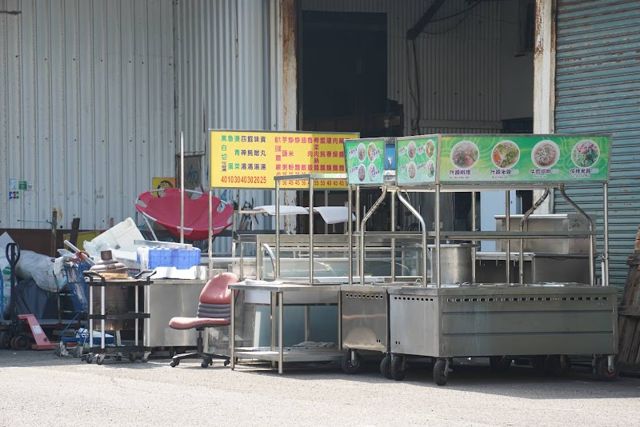
台東2626市集
955臺東縣鹿野鄉永安村永嶺路80號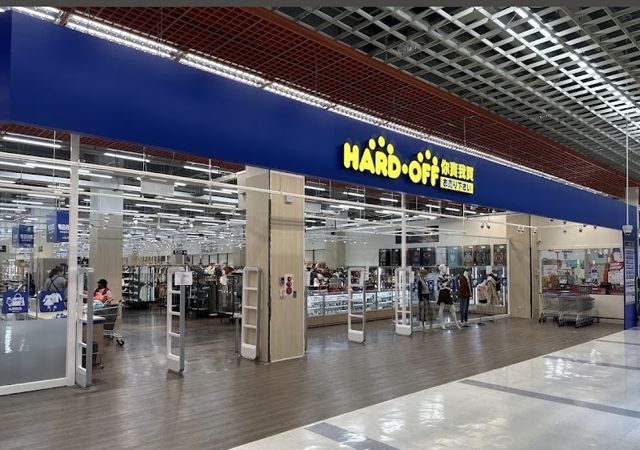
海德沃福Hard off(屏東新屏店)
900屏東縣屏東市一心里臺糖街3號1樓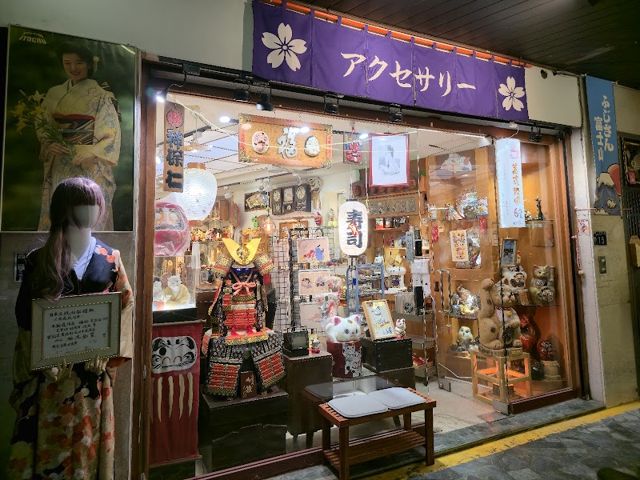
招財貓本鋪
404臺中市北區邱厝里大義街28巷6號跳蚤本舖 花蓮和平舖
970花蓮縣花蓮市主工里和平路448號後浦小鎮特產行
893浯江街66號
21倉庫(21Dreamwork夢工廠)
702臺南市南區明興里金華路一段26號名家藝品批發廣場《大林總店》
622嘉義縣大林鎮西林里忠孝路602號 附1號